

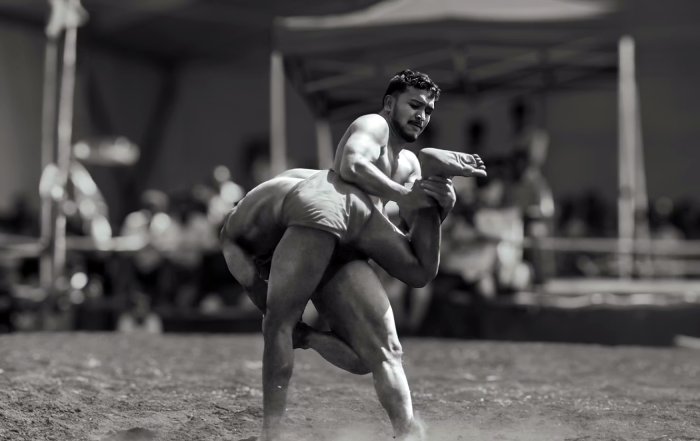
Inside the World of High-Stakes Amateur Sports Competitions
The New Frontier of Competitive Sport
Amateur sport has evolved from weekend recreation into a high-stakes, globally networked ecosystem where performance, technology, wellness, and business converge in ways that would have been almost unimaginable a decade earlier. Across North America, Europe, Asia, Africa, and South America, millions of competitors who do not earn a full-time living from their sport are training with the intensity once reserved for professionals, entering events that demand elite preparation while juggling careers, families, and financial responsibilities. For readers of FitBuzzFeed, who follow developments in sports, fitness, health, business, and lifestyle, this transformation is reshaping how physical ambition, personal identity, and economic opportunity intersect in everyday life.
The rise of high-stakes amateur competitions is visible in the explosive growth of ultra-endurance races, age-group world championships, large-scale functional fitness events, and corporate-sponsored global leagues. Organizations such as World Triathlon, IRONMAN Group, Spartan Race, and Hyrox have created multi-tiered ecosystems where amateur athletes chase qualification slots, rankings, and prize pools that increasingly blur the lines between amateur and professional status. At the same time, the digital infrastructure that supports these competitions-from wearable devices and training platforms to biometric analytics and global media streaming-has turned what was once a local pastime into a worldwide performance marketplace. Readers exploring the broader sports ecosystem on FitBuzzFeed Sports can see how these developments reflect a deeper cultural shift: sport is no longer just something people watch or casually participate in; it has become a central pillar of personal and professional identity.
How Technology Turned Amateurs into Data-Driven Performers
The most visible catalyst behind the high-stakes amateur era is technology, which has radically lowered the barrier to elite-level preparation. Advanced wearables from companies like Garmin, Apple, and WHOOP allow athletes in New York, London, Berlin, Singapore, and Sydney to monitor heart rate variability, sleep quality, training load, and recovery with a level of granularity once limited to Olympic programs. Platforms such as Strava and TrainingPeaks have created vast social-performance networks where individuals compare segment times, power outputs, and training volumes against peers across continents, turning every run, ride, or swim into a micro-competition. Those who want to understand how connected devices are reshaping training culture can explore additional analysis on FitBuzzFeed Technology.
The impact of these tools is not merely motivational; it is structural. Access to detailed physiological data has enabled amateur athletes to adopt evidence-based methodologies grounded in research from institutions like the American College of Sports Medicine and the UK Sport Institute, integrating periodization, polarized training models, and individualized recovery strategies into their routines. Resources from organizations such as the World Health Organization and the Centers for Disease Control and Prevention help athletes calibrate safe training volumes while pursuing ambitious goals, especially as participation in marathons, ultra-marathons, and high-intensity events increases worldwide. This data-driven approach has elevated both performance standards and expectations, as weekend competitors now scrutinize lactate thresholds, VO₂ max estimates, and functional movement scores in the same way executives analyze financial statements.
Virtual platforms have further accelerated this shift. Services like Zwift and Rouvy allow cyclists and runners in Canada, Germany, Japan, and Brazil to compete in real time on simulated courses, while video-based coaching tools enable remote feedback from expert trainers. This has created a global marketplace for coaching, with high-level guidance accessible to amateurs from specialists based anywhere from the United States to South Africa. At the same time, it has contributed to a more professionalized culture of training that FitBuzzFeed readers will recognize as parallel to trends in remote work and digital collaboration. For those looking to align their training with cutting-edge methods, the guidance available through FitBuzzFeed Training offers a bridge between science and daily practice.
The Economics of High-Stakes Amateur Competition
Behind the surge in participation and performance lies a rapidly expanding economic engine. High-stakes amateur events generate substantial revenue through entry fees, sponsorships, media rights, travel, equipment sales, and ancillary services. Major city marathons in New York, London, Berlin, Chicago, and Tokyo, governed or recognized by bodies such as World Athletics, attract tens of thousands of participants who collectively spend millions on travel, hotels, nutrition, gear, and medical support. Similar dynamics are seen in large-scale triathlons, obstacle races, and functional fitness competitions that draw competitors from across Europe, Asia, and the Americas.
The business side of this ecosystem is now sophisticated enough to attract institutional investment. Private equity firms have taken stakes in event organizers, while global brands view amateur athletes as highly engaged consumers whose lifetime value extends far beyond a single race entry. Companies such as Nike, Adidas, Lululemon, and Under Armour design product lines specifically for age-group competitors, from carbon-plated racing shoes to sport-specific compression garments. Nutrition and supplement companies, including Gatorade and Maurten, have built portfolios aimed at endurance participants who demand scientifically validated performance products. Those interested in the broader commercial context can explore more on FitBuzzFeed Business, where the intersection of sport, branding, and investment is increasingly prominent.
The economic stakes are not limited to corporations. For cities and regions, hosting high-stakes amateur events has become a strategic tool for tourism and economic development. Municipalities from Boston and Barcelona to Cape Town and Singapore compete to attract marquee races, citing studies from organizations such as the OECD and the World Economic Forum that highlight the impact of sports tourism on local GDP, employment, and urban branding. In parallel, national governing bodies and ministries of sport, including those in Australia, the United Kingdom, and South Korea, increasingly view large amateur events as vehicles for promoting public health, national identity, and international visibility. This dual role-economic driver and public health instrument-gives high-stakes amateur competitions a unique place in contemporary policy discussions.
Health, Wellness, and the Thin Line Between Performance and Risk
The health implications of high-stakes amateur sport are complex, and they resonate strongly with FitBuzzFeed readers who follow Health, Wellness, and Nutrition content. On one hand, the global expansion of amateur competitions has encouraged millions to become more active, helping to counter rising rates of obesity, cardiovascular disease, and metabolic disorders documented by organizations such as the World Obesity Federation and the National Institutes of Health. Regular training for marathons, triathlons, or functional fitness events can significantly improve cardiorespiratory fitness, muscular strength, mental health, and overall quality of life, especially when supported by balanced nutrition and adequate rest.
On the other hand, the high-stakes nature of these competitions introduces meaningful risks. Many athletes combine demanding professional careers with intensive training schedules that can exceed 10 to 20 hours per week, leading to chronic sleep deprivation, overuse injuries, hormonal imbalances, and psychological burnout. Research published through platforms like PubMed and guidance from the International Olympic Committee have highlighted concerns around relative energy deficiency in sport (RED-S), overtraining syndrome, and the long-term impact of repeated high-intensity efforts, especially in older age groups. In sports such as endurance running and cycling, there is ongoing debate about the relationship between extreme training volumes and atrial fibrillation or other cardiac issues, prompting medical societies in Europe and North America to refine screening and monitoring protocols.
Nutrition adds another layer of complexity. While the availability of scientifically formulated gels, drinks, and recovery products is greater than ever, the flood of information-ranging from evidence-based guidelines by the Academy of Nutrition and Dietetics to unverified social media trends-can create confusion and unhealthy experimentation. In countries like the United States, United Kingdom, and Canada, regulatory frameworks for supplements remain uneven, and contamination risks persist. As a result, responsible event organizers and coaches emphasize education, steering athletes toward reputable sources and encouraging regular consultation with sports dietitians and healthcare professionals. Readers who are actively competing or considering entry into high-stakes events will find practical frameworks for balancing ambition with health across FitBuzzFeed Health and FitBuzzFeed Wellness.
The Blurring Boundary Between Amateur and Professional
One of the defining features of the current era is the erosion of the traditional divide between amateur and professional. High-stakes amateur competitions often feature prize money, sponsorships, and media exposure that rival lower-tier professional events. Elite age-group athletes in triathlon, obstacle racing, and functional fitness can secure equipment deals, travel support, and performance bonuses from brands eager to engage authentic community leaders rather than only headline professionals. Platforms like Instagram, YouTube, and TikTok have enabled a new class of hybrid athlete-creators who document their training, racing, and lifestyle, building personal brands that attract both sports and non-sports sponsors.
This evolution raises questions about fairness and classification. Governing bodies such as World Triathlon, USA Track & Field, and British Cycling have had to refine their rules regarding amateur status, prize eligibility, and anti-doping protocols. The World Anti-Doping Agency has expanded educational outreach to amateur communities, recognizing that increased stakes can create incentives for unethical behavior even among non-professionals. At the same time, the concept of professionalism itself is changing. For many, sport-related income is part of a portfolio career that includes full-time work in sectors like technology, finance, healthcare, or education, alongside part-time coaching, content creation, and sponsorship. The result is a spectrum of participation rather than a simple amateur-professional binary.
For the FitBuzzFeed audience, this shift carries practical implications. As more individuals pursue ambitious performance goals while maintaining demanding careers, questions about work-life balance, employer support, and long-term sustainability become central. Some organizations now actively support employee participation in major events, recognizing the benefits for morale, leadership development, and corporate wellness. Others struggle to accommodate time-intensive training and travel schedules. Those exploring career and sport intersections can find additional context on FitBuzzFeed Jobs, where the future of work increasingly includes athletic ambition as a recognized dimension of personal development.
Globalization, Culture, and the Geography of Ambition
High-stakes amateur competitions are deeply global, but their expression varies by region, culture, and infrastructure. In the United States and Canada, large-scale road races, triathlons, and CrossFit-style events dominate the calendar, supported by a mature ecosystem of clubs, coaches, and specialized retailers. In the United Kingdom, Germany, France, Italy, Spain, and the Netherlands, cycling sportives, marathons, and trail ultras have become cultural landmarks, drawing international participants who combine competition with tourism. Nordic countries such as Sweden, Norway, Finland, and Denmark showcase strong traditions in cross-country skiing and multi-sport endurance events, often emphasizing outdoor lifestyle and environmental stewardship aligned with guidance from organizations like the UN Environment Programme.
In Asia, the landscape is evolving rapidly. China has invested heavily in marathon infrastructure and mass participation events, while Japan maintains a rich tradition of road running and corporate team competitions, known as ekidens, that blur the line between amateur and professional status. Singapore, Malaysia, Thailand, and South Korea have emerged as regional hubs for triathlon, obstacle racing, and fitness festivals, often integrating wellness, technology, and entertainment components that appeal to younger demographics. Across Africa, South Africa remains a flagship destination thanks to iconic events like the Comrades Marathon and Cape Town Cycle Tour, while Kenya and Ethiopia are expanding their mass-participation offerings alongside their world-leading elite running programs. Brazil and other South American nations are similarly leveraging coastal, urban, and mountainous terrain to host increasingly ambitious events that attract global participants.
This geographic diversity creates both opportunity and inequality. Access to high-quality coaching, safe training environments, and medical support is uneven, especially in regions where infrastructure and healthcare systems face broader challenges. Organizations such as Right To Play and Peace and Sport advocate for inclusive access to physical activity, while international federations explore ways to support emerging markets. For FitBuzzFeed readers, the global expansion of amateur competition offers a canvas for sport-centered travel, cultural exchange, and personal growth, themes that align naturally with the perspectives shared on FitBuzzFeed World and FitBuzzFeed Lifestyle.
Brand Power, Media Narratives, and Community Identity
Brands and media play a decisive role in shaping how high-stakes amateur competitions are perceived and experienced. Major events are now packaged as lifestyle narratives rather than isolated races, with storytelling that emphasizes transformation, resilience, and community. Broadcasters and streaming platforms collaborate with organizations like NBC Sports, Eurosport, and DAZN to deliver highlight packages, behind-the-scenes documentaries, and athlete profiles that feature amateurs alongside professionals. Social media amplifies these narratives, turning finish-line photos and training diaries into powerful micro-stories that inspire others to participate.
Corporate involvement extends beyond sponsorship logos on bibs and banners. Brands co-create experiences with athletes, offering training plans, digital communities, and in-person activations that integrate product ecosystems into the athlete journey. For example, shoe and apparel companies host group runs and testing events, technology firms provide data dashboards and performance analytics, and nutrition brands run educational seminars on fueling and recovery. This convergence of commerce and community has both positive and negative dimensions. It provides resources, visibility, and support, but it can also intensify pressure to perform, consume, and publicly display progress.
For readers of FitBuzzFeed, which tracks the evolution of sports and wellness branding on FitBuzzFeed Brands, this dynamic raises important questions about authenticity, inclusivity, and long-term engagement. High-stakes amateur competitions can foster deep, supportive communities that transcend demographics and geography, but they can also create exclusionary environments if cost, equipment, and aesthetic norms become barriers to entry. Thoughtful stakeholders are increasingly aware of these tensions and are working to design events and products that welcome participants across age, body type, and ability levels, ensuring that ambition does not come at the price of belonging.
Governance, Integrity, and the Future of Trust
As money, media, and prestige flow into amateur sport, issues of governance and integrity become more pressing. Event organizers must navigate complex challenges: ensuring course safety, managing environmental impact, protecting data privacy, and maintaining competitive fairness. Incidents of course cutting, mechanical doping in cycling, and the misuse of prescription medications for performance enhancement have already reached amateur circles, prompting stricter timing controls, equipment checks, and anti-doping education. Bodies like World Athletics and World Triathlon collaborate with national federations to extend best practices into mass-participation events, while independent watchdogs and investigative journalists scrutinize race results and organizational practices.
Trust also depends on transparent handling of crises. The COVID-19 pandemic and subsequent public health challenges forced event cancellations, postponements, and last-minute format changes around the world, testing the resilience of organizers and the patience of athletes. Lessons from that period continue to influence contingency planning, insurance structures, and communication protocols in 2026. Reputable organizers now publish detailed risk management frameworks, align with guidelines from entities like the World Health Organization and national health agencies, and invest in medical oversight teams that include cardiologists, sports physicians, and emergency response specialists. Athletes, in turn, have become more discerning consumers, evaluating not only course profiles and prize purses but also ethical standards, sustainability policies, and participant protections.
For a platform like FitBuzzFeed, which sits at the intersection of news, health, and lifestyle, covering these integrity issues is central to maintaining reader trust. Features that examine the governance practices of major event series, the environmental footprint of large-scale races, and the evolving standards in athlete safety help the community make informed decisions about where and how to compete. Readers can stay informed on broader developments through FitBuzzFeed News, which increasingly includes deep dives into the regulatory and ethical dimensions of sport.
What High-Stakes Amateur Sport Means for Everyday Life
Ultimately, the world of high-stakes amateur sports competitions is not just about podiums, medals, or sponsorships; it is about how individuals choose to structure their lives in an era defined by digital connectivity, performance metrics, and constant comparison. For many participants across the United States, the United Kingdom, Germany, Canada, Australia, France, Italy, Spain, the Netherlands, Switzerland, China, Sweden, Norway, Singapore, Denmark, South Korea, Japan, Thailand, Finland, South Africa, Brazil, Malaysia, and New Zealand, the decision to commit to a major event becomes a catalyst for broader change. Training blocks reshape daily routines, influence career decisions, alter social circles, and transform relationships with food, sleep, and stress.
There is an undeniable appeal in this structured pursuit of excellence. High-stakes amateur sport offers clear goals, measurable progress, and tangible milestones in a world where many professional and personal achievements are increasingly abstract. It also provides a powerful narrative of agency: the idea that, regardless of age or background, individuals can redefine their capabilities through disciplined effort. Yet this narrative must be balanced with realism and self-care. Not every season needs to be a maximal push toward a world championship qualification or a personal-best marathon; sustainable engagement often requires cycles of intensity and consolidation, ambition and reflection.
For FitBuzzFeed and its community, the challenge and opportunity lie in framing high-stakes amateur competition as one expression of a broader commitment to fitness, health, and well-being, rather than as an obligatory pinnacle. The resources available across FitBuzzFeed Fitness, FitBuzzFeed Physical, and the site's homepage at FitBuzzFeed.com are designed to support this holistic perspective, helping readers integrate sport into lives that are already rich with professional, family, and social responsibilities.
The world of high-stakes amateur sports competitions will continue to evolve, shaped by technological innovation, economic forces, cultural trends, and regulatory frameworks. What remains constant is the fundamental human impulse at its core: the desire to test limits, to belong to something larger than oneself, and to discover, through effort and uncertainty, what it means to perform at one's best. In that sense, the amateur arena-no matter how sophisticated, commercialized, or data-driven it becomes-still reflects the most essential values of sport, values that the FitBuzzFeed audience engages with every time they lace up shoes, step onto a field, or line up at a starting gate anywhere in the world.