

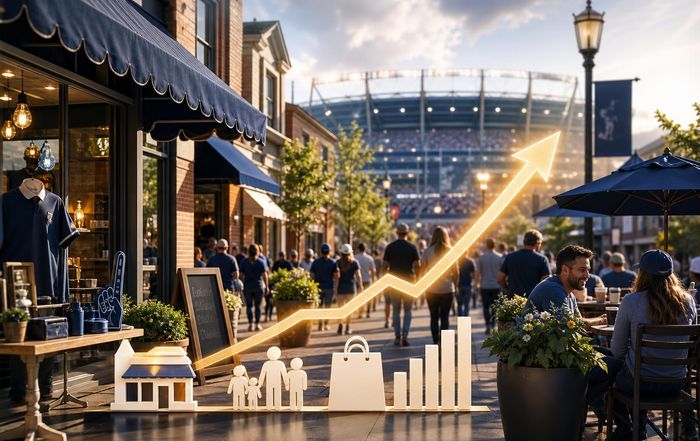
How Sports Events Create Local Business Momentum in 2026
The New Economics of Sporting Spectacle
By 2026, global sport has become one of the most powerful engines of local economic momentum, reshaping cities, labor markets, and consumer brands from Los Angeles to London, from Berlin to Singapore, and from São Paulo to Seoul. As major and mid-sized events proliferate across calendars and continents, host communities are no longer asking whether sports events matter for business; they are asking how to design, govern, and leverage these events to maximize long-term economic value, social wellbeing, and reputational advantage. For a platform like FitBuzzFeed-rooted in fitness, sports, health, and lifestyle, and serving readers from the United States, Europe, Asia, Africa, and the Americas-this intersection of sport and commerce is not an abstract macroeconomic theme but a lived reality that shapes jobs, training opportunities, local brands, and the evolution of wellness-centered urban economies.
Sports events, whether global tournaments or regional marathons, are now understood as complex ecosystems that influence everything from hospitality and transport to digital media, sports technology, and health innovation. Organizations such as World Athletics, FIFA, and the International Olympic Committee (IOC) have increasingly framed events as catalysts for sustainable development and inclusive growth, while economic analysts at institutions like the World Bank and the Organisation for Economic Co-operation and Development have refined the methodologies used to measure their real impact. Against this backdrop, local leaders, entrepreneurs, and professionals are redefining what it means to build a "sports-ready" city or region, and how to ensure that the momentum generated by a few days or weeks of competition translates into durable business value.
Readers seeking to connect these economic dynamics with their own professional and personal paths can explore how sports intersects with careers and entrepreneurship through the business-focused reporting on FitBuzzFeed Business, while those interested in the performance and training side of events can turn to FitBuzzFeed Training for deeper insight into the athlete and coaching perspective that underpins this industry.
From Event Week to Year-Round Economic Engine
The economic narrative of sports events has evolved dramatically over the past decade. Earlier, debates tended to focus narrowly on visitor spending during event week and on the construction of large-scale venues. In 2026, the conversation is more sophisticated, emphasizing integrated planning, diversified revenue streams, and the development of long-term capabilities in host cities. Analysts at Deloitte and PwC have documented how the most successful hosts treat events as platforms for broader economic transformation, embedding them into city branding, tourism strategies, digital infrastructure, and workforce development.
In North America and Europe, mid-sized cities from Columbus to Copenhagen have demonstrated that well-executed regional championships, esports tournaments, and endurance races can generate recurring tourism, stimulate downtown revitalization, and catalyze private investment in hospitality and mixed-use developments. In Asia, cities such as Tokyo, Singapore, and Bangkok have used major events to accelerate transport upgrades, smart-city solutions, and health-tech adoption, aligning sports with national innovation agendas. The World Economic Forum has further highlighted how sports events now sit at the intersection of mobility, digital media, and consumer experience, making them testbeds for technologies that later diffuse into everyday business operations.
For the FitBuzzFeed audience, which spans fitness enthusiasts, entrepreneurs, professionals, and wellness-focused consumers, this shift from one-off spectacle to year-round economic engine is especially relevant. It means that the same infrastructure supporting a city's marathon or triathlon-bike lanes, running paths, training facilities, and wellness services-often remains in place as a permanent asset that benefits residents, local gyms, and wellness brands. Readers interested in how these physical transformations support everyday activity can explore FitBuzzFeed Physical, where the link between built environment and movement is examined through a health and performance lens.
Hospitality, Retail, and the Experience Economy
At the heart of local business momentum lies the visitor economy. Sports events draw athletes, teams, media, sponsors, and fans, whose spending patterns ripple through hotels, short-term rentals, restaurants, retail, and transport. According to travel and tourism analysis by the World Travel & Tourism Council, cities that invest in integrated event strategies often see not just a spike in occupancy and average daily rates during competitions, but also higher year-round awareness that translates into future bookings and repeat visits. This is particularly evident in destinations like Barcelona, Melbourne, and Vancouver, where sports have become core components of city identity and tourism marketing.
The hospitality sector has adapted by designing sport-specific packages, from marathon weekend stays to fan zones and wellness-oriented offerings that include recovery rooms, healthy menus, and access to local fitness facilities. Retailers, both global chains and local boutiques, have leveraged event branding and limited-edition collections to attract visitors and residents alike, while experiential marketing activations by companies such as Nike, Adidas, and Lululemon have turned public spaces into temporary hubs of engagement and commerce. Those wanting to understand how lifestyle brands build narratives around sports events can follow coverage on FitBuzzFeed Brands, where the convergence of performance, fashion, and community is explored in depth.
This experience economy extends beyond the event perimeter. Neighborhoods adjacent to venues often see increased foot traffic, stimulating cafés, co-working spaces, and wellness studios. In cities across the United States, United Kingdom, Germany, and Canada, local entrepreneurs have capitalized on predictable event calendars by aligning product launches, pop-up shops, and cultural programming with major games or races, effectively transforming sports into a predictable demand generator.
Sports, Jobs, and Skills in a Changing Labor Market
Sports events also shape local labor markets in ways that go far beyond temporary hospitality roles. While short-term employment in security, logistics, catering, and event operations remains significant, the most forward-looking host regions are leveraging events to build lasting skills and career pathways in sports management, digital media, data analytics, health sciences, and facility operations. Research from the International Labour Organization has underscored how large events can serve as catalysts for skills development, especially when organizers collaborate with universities, vocational institutes, and industry associations.
The rise of sports analytics, streaming, and fan engagement platforms has created demand for professionals skilled in data science, UX design, and content production, while the growth of wellness and performance services has expanded opportunities for physiotherapists, strength and conditioning coaches, nutritionists, and mental performance consultants. These roles are increasingly global, with talent flows connecting hubs in New York, London, Berlin, Toronto, Sydney, Paris, Milan, Madrid, Amsterdam, Zurich, Seoul, and Tokyo. Professionals seeking to align their careers with this evolving ecosystem can explore resources and trends on FitBuzzFeed Jobs, where sports and wellness intersect with broader labor market developments.
In emerging markets across Africa, South America, and Southeast Asia, international tournaments and regional competitions have similarly provided entry points for young professionals into sectors such as sports marketing, venue management, and sports tourism. Governments and federations in countries like Brazil, South Africa, and Malaysia have increasingly recognized that the skills developed around events-project management, digital communication, logistics coordination-are transferable to other sectors, thereby enhancing overall human capital.
Infrastructure, Urban Design, and Long-Term Value
The most visible legacy of sports events is often physical infrastructure, from stadiums and arenas to training centers and transport links. In the past, poorly planned projects resulted in "white elephants" that drained public finances without generating commensurate economic or social returns. In response, organizations such as the IOC and UEFA have revised their bidding and hosting frameworks to emphasize sustainability, legacy planning, and the use of existing or temporary venues. Urban planners and economists, including those highlighted by the United Nations Department of Economic and Social Affairs, have advocated for a "city-first" approach, in which sports infrastructure is designed to serve community needs long after the final whistle.
Cities that have embraced this philosophy are integrating sports venues into mixed-use districts that blend residential, commercial, and recreational functions. This creates continuous activity around arenas and training facilities, supporting local businesses such as cafés, clinics, co-working spaces, and retail stores. In Scandinavia, for example, municipalities in Sweden, Norway, Denmark, and Finland have focused on multi-purpose arenas that host sports, concerts, conferences, and community events, thereby diversifying revenue and increasing utilization rates. Readers interested in how such developments intersect with health and wellness outcomes can explore FitBuzzFeed Wellness, where the impact of environment on lifestyle and wellbeing is regularly examined.
Transport infrastructure is another critical dimension. Investments in metro lines, bus rapid transit, cycling networks, and pedestrian zones, often justified by event timelines, ultimately benefit daily commuters and support broader sustainability goals. Studies by the International Transport Forum have shown that when these projects are aligned with long-term mobility plans, they can significantly enhance productivity by reducing congestion and improving access to employment hubs, educational institutions, and healthcare facilities.
Health, Wellness, and the Active City Economy
Beyond direct economic metrics, sports events have a profound influence on public health and the wellness economy, which in turn shapes productivity, healthcare costs, and consumer spending patterns. Mass participation events such as marathons, cycling tours, and triathlons encourage residents to adopt more active lifestyles, often supported by local gyms, community sports clubs, and digital fitness platforms. Organizations like the World Health Organization have repeatedly underscored the importance of physical activity in preventing non-communicable diseases, and many cities now explicitly link sports events to broader health promotion strategies.
For FitBuzzFeed, which covers health, nutrition, and lifestyle for a global audience, this connection between events and everyday wellbeing is central. Coverage on FitBuzzFeed Health and FitBuzzFeed Nutrition often highlights how training for events encourages better dietary choices, improved sleep, and greater mental resilience, all of which have measurable economic benefits through reduced absenteeism and enhanced performance at work. As wellness becomes a mainstream business priority, companies are increasingly sponsoring local events, providing entry fees for employees, or organizing corporate teams, thereby reinforcing the symbiosis between sports, workforce health, and corporate culture.
The global wellness economy, tracked by organizations such as the Global Wellness Institute, has grown to include not only traditional fitness services but also recovery technologies, mental health solutions, wearable devices, and personalized nutrition. Sports events act as showcases and testbeds for these innovations, giving local and international brands opportunities to engage directly with highly motivated consumers.
Technology, Data, and the Smart Event Ecosystem
In 2026, the business momentum generated by sports events is increasingly mediated by technology. From ticketing platforms and mobile apps to biometric wearables and broadcast innovations, the digital layer surrounding events has become a significant source of value creation. Technology companies, both global giants and local startups, are using events as laboratories for new products and services, ranging from augmented reality fan experiences to AI-driven performance analytics. Analysts at McKinsey & Company have highlighted how data generated by events can inform decisions in retail, urban planning, and mobility, extending impact well beyond the sports sector.
Smart stadiums and arenas now integrate advanced connectivity, digital signage, and contactless payments, enabling seamless fan journeys while generating granular insights into consumer behavior. This data, when handled responsibly and in compliance with privacy regulations, allows local businesses to tailor offerings, adjust staffing, and optimize inventory in real time. In parallel, sports tech startups in hubs like London, Berlin, Amsterdam, Seoul, and Tokyo are developing tools for athlete monitoring, injury prevention, and coaching support, many of which are first deployed in high-profile events before reaching community-level clubs and individual consumers. Readers who follow technology trends in sport and wellness can find deeper analysis on FitBuzzFeed Technology, where the implications of such innovations for businesses and individuals are regularly assessed.
The rise of esports and virtual competitions has further expanded the definition of sports events, creating new revenue channels in digital advertising, streaming, cloud services, and hardware. Platforms like Twitch, YouTube, and regional streaming services in Asia and Europe have enabled local organizers to reach global audiences, amplifying sponsorship value and opening pathways for smaller markets to participate in the international sports economy without the need for massive physical infrastructure.
Brands, Sponsorship, and the Power of Local Storytelling
Sponsorship has long been a cornerstone of sports finance, but in the current era, brands are increasingly focused on authenticity, community impact, and measurable return on investment. Global corporations such as Coca-Cola, Visa, and Samsung continue to anchor major event sponsorship portfolios, yet there is a growing recognition that local and regional brands play a critical role in shaping the character and economic footprint of events. Marketing research from the Harvard Business Review has shown that consumers respond positively to brands that demonstrate a credible commitment to community wellbeing, sustainability, and inclusion in their sports partnerships.
For local businesses in cities across the United States, United Kingdom, Germany, Canada, Australia, France, Italy, Spain, the Netherlands, and beyond, aligning with sports events can provide powerful visibility and engagement opportunities. Restaurants hosting fan gatherings, fitness studios offering event-themed classes, and health clinics providing pre-event screenings or recovery services all benefit from the emotional resonance and media attention surrounding competition days. On FitBuzzFeed Lifestyle (https://www.fitbuzzfeed.com/lifestyle.html), readers can see how these activations blend sport, culture, and daily life, illustrating the broader lifestyle ecosystem that events help cultivate.
At the same time, brands are increasingly expected to address environmental and social considerations in their event strategies. Initiatives around plastic reduction, carbon offsetting, local sourcing, and inclusive access are no longer optional public relations add-ons but core components of sponsorship value. Businesses seeking to position themselves as responsible partners are turning to frameworks and case studies from organizations like the United Nations Environment Programme to design and evaluate their contributions.
Global Events, Local Identity, and Media Narratives
The media dimension of sports events has expanded with the proliferation of digital platforms, social networks, and on-demand content. Local stories now travel globally within seconds, and global narratives are localized through fan communities and influencer networks. News organizations such as BBC Sport, ESPN, and Sky Sports continue to shape mainstream coverage, but regional outlets and digital-first platforms, including FitBuzzFeed, play an increasingly important role in highlighting the local business and community angles that might otherwise be overlooked.
For host cities and regions, this media exposure is both an opportunity and a responsibility. Positive coverage of well-organized events, vibrant fan cultures, and community benefits can attract future visitors, investors, and talent, while negative stories about cost overruns, displacement, or environmental damage can deter them. The Reuters Institute for the Study of Journalism has documented how sports coverage now frequently intersects with political, economic, and social reporting, reflecting the integrated role of events in public life.
On FitBuzzFeed News and FitBuzzFeed World, readers can observe how major events in Europe, Asia, Africa, North America, and South America generate distinct local and global narratives, from debates over public funding in European capitals to discussions about urban regeneration in African and South American cities. These stories reveal how sports events serve as mirrors of broader societal priorities and tensions, and how local businesses navigate these dynamics in real time.
Events as Platforms for Innovation, Inclusion, and Resilience
As climate risk, demographic shifts, and technological disruption reshape the global economy, sports events are increasingly viewed as platforms for testing and scaling solutions that enhance resilience and inclusion. Some of the most innovative practices in waste management, renewable energy, accessible design, and community engagement have emerged from event planning and operations, later being adopted in other sectors. The C40 Cities Climate Leadership Group has highlighted how host cities are using events to accelerate climate action, from low-emission transport zones to circular economy initiatives in catering and merchandising.
Inclusion is another critical dimension. Events that prioritize gender equity, disability access, and socio-economic diversity not only reflect societal values but also expand their potential audience and talent pool. Organizations such as Special Olympics, Paralympic committees, and women's professional leagues across football, cricket, rugby, basketball, and other sports have demonstrated that inclusive events can drive significant commercial interest and community pride. For local businesses, this means opportunities to design products, services, and experiences that cater to a wider range of participants and fans, reinforcing both social impact and commercial viability.
The events industry's experience navigating global disruptions over the past decade, including public health crises and geopolitical tensions, has also strengthened its capacity for contingency planning, hybrid formats, and digital engagement. This resilience has direct spillover benefits for local economies, as skills and systems developed for event continuity-such as flexible staffing models, remote collaboration tools, and advanced health and safety protocols-are deployed in other sectors.
What This Means for Local Stakeholders and the FitBuzzFeed Community
For city leaders, entrepreneurs, investors, and professionals across the regions that FitBuzzFeed serves-from the United States and Canada to the United Kingdom, Germany, France, Italy, Spain, the Netherlands, Switzerland, the Nordics, and onward to China, South Korea, Japan, Singapore, Thailand, South Africa, Brazil, Malaysia, and New Zealand-the implications of this evolving sports-event economy are both strategic and practical. Events are no longer peripheral spectacles; they are central components of urban strategy, business planning, and personal lifestyle choices.
Local governments that approach sports events as integrated development platforms-aligning them with transport, housing, health, technology, and sustainability agendas-are more likely to generate enduring economic and social returns. Businesses that understand the rhythms of event calendars and the expectations of modern fans and participants can craft offerings that capture both short-term demand spikes and long-term loyalty. Individuals who engage with events not only as spectators but also as participants, volunteers, or professionals can unlock new pathways for personal growth, career development, and community connection.
For the FitBuzzFeed audience, the story of how sports events create local business momentum is ultimately a story about how movement, competition, and shared experience reshape the economies and communities in which they live and work. From insights on elite performance and training on FitBuzzFeed Fitness to coverage of global trends and local case studies across the site's sections, readers are uniquely positioned to understand and act on these dynamics. As the world moves deeper into 2026 and beyond, the interplay between sports events and local business will only intensify, offering both challenges and opportunities for those ready to engage with this powerful engine of change.