

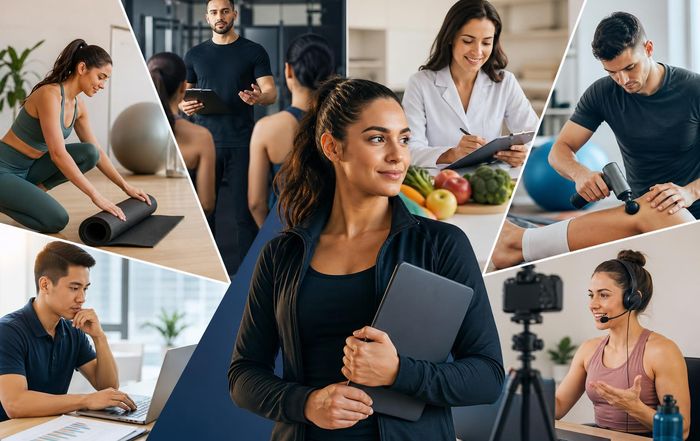
Fitness Industry Career Paths Beyond Personal Training
Personal training is often seen as the default job in the fitness world, but it is only one of many ways to turn a passion for movement, health, and performance into a sustainable career. As the global wellness market has expanded, so have opportunities in areas like digital coaching, corporate wellness, sports performance, fitness tech, and health communications. Many roles now blend fitness with business, technology, education, or media, opening doors for people who love the industry but do not necessarily want to spend their whole working lives on the gym floor.
Now we consider key career paths across the modern fitness ecosystem, what they actually involve day to day, what skills and education help, and how someone with a training or sports background can realistically move into them. It focuses on roles that are viable in major markets such as North America, Europe, and parts of Asia-Pacific, while keeping an eye on global trends in health and wellness.
Group fitness and studio leadership
For many coaches, group exercise is the next step beyond one-to-one training. It offers a different energy, a chance to impact more people at once, and a route into leadership roles within gyms and boutique studios.
Group fitness instructors typically specialize in formats like strength circuits, indoor cycling, yoga, Pilates, dance, or high-intensity interval training. Some work within big-box gyms, others in boutique studios built around a single modality. Compared with personal training, the focus is less on detailed individual programming and more on designing safe, motivating classes that scale to mixed abilities. Strong communication, musicality or rhythm (for choreographed classes), and the ability to manage a room of 20-40 people are often more important than advanced periodization theory.
From here, experienced instructors may become studio coordinators or group exercise managers, overseeing timetables, mentoring new instructors, and maintaining quality standards. In boutique environments, studio managers often work at the intersection of coaching, operations, and community-building: they track attendance and retention, manage staff, support local marketing, and help shape the overall brand experience. This is a natural bridge into broader fitness business and management roles for those who want more stability and a salary rather than variable class pay.
Professional bodies such as Les Mills, Zumba, and Yoga Alliance offer education and recognition for instructors, while organizations like ACE and NASM provide group fitness certifications alongside personal training credentials. Their resources, available via sites such as ACE and NASM, can help trainers transition into group formats with a clear educational pathway.
Strength and conditioning, sports performance, and athletics support
For those drawn to sport, competition, and measurable performance, strength and conditioning (S&C) and sports performance roles offer a more specialized track. S&C coaches work with athletes ranging from youth amateurs to professionals, designing training to improve speed, power, agility, strength, and resilience. These roles exist in schools, universities, professional clubs, national governing bodies, and private performance centers.
Compared with general fitness coaching, S&C typically demands a deeper understanding of biomechanics, sport-specific demands, and long-term athlete development. Many employers expect degrees in exercise science or kinesiology and recognized certifications, such as those from the National Strength and Conditioning Association (NSCA) or UK Strength and Conditioning Association. Evidence-based practice is central, so familiarity with research published by organizations like the American College of Sports Medicine or the International Olympic Committee is a practical advantage.
Beyond on-field or weight-room coaching, there are support roles in sports science and performance analysis: monitoring GPS data, tracking training loads, analyzing movement patterns, and collaborating with medical teams. These positions increasingly intersect with technology and data, using tools similar to those found in consumer wearables and connected fitness platforms. For readers interested in the performance side of sports, this cluster of careers can be both intellectually demanding and highly rewarding, though often competitive and geographically tied to clubs or institutions.
Corporate wellness and workplace health
As employers recognize the cost of burnout, musculoskeletal problems, and chronic disease, corporate wellness has become a significant growth area. Instead of working primarily in gyms, fitness professionals can design and deliver programs that support employee health across large organizations, often in collaboration with HR, occupational health, and insurance partners.
Roles in this space range from wellness coordinators and program managers to on-site fitness specialists and health coaches. Typical responsibilities might include running lunchtime exercise classes, organizing step challenges, delivering health education seminars, coordinating biometric screenings, or managing on-site fitness centers. There is a strong emphasis on behavior change, stress management, ergonomics, and inclusive programming that works for a wide range of ages, abilities, and cultural backgrounds.
Corporate wellness professionals need to understand both health science and organizational dynamics. Familiarity with public health recommendations from bodies such as the World Health Organization or national health agencies like the Centers for Disease Control and Prevention helps in designing evidence-based initiatives. Soft skills-stakeholder management, clear communication, and data reporting-are equally important, as programs are often evaluated based on participation, satisfaction, and health-related outcomes.
For trainers seeking more predictable hours and benefits, this can be a compelling alternative to traditional club work. Many corporate wellness providers also integrate mental health and broader wellness services, opening cross-disciplinary collaboration with psychologists, occupational therapists, and nutrition professionals.
Fitness technology, apps, and connected hardware
The rapid growth of fitness apps, wearables, and connected equipment has created a large ecosystem of roles that blend exercise knowledge with technology and product thinking. Companies producing smart watches, heart-rate monitors, at-home workout platforms, or AI-driven coaching tools need people who understand both user experience and the realities of training.
On the content and programming side, fitness professionals may work as curriculum designers, digital coaches, or on-screen talent, creating structured programs and video workouts for global audiences. On the product side, roles such as product manager, user researcher, or customer success specialist benefit from a background in training combined with skills in analytics, UX, or software. Understanding how real people use training plans, where they struggle, and how to translate science into intuitive interfaces is critical.
Major technology and wearables companies like Apple, Garmin, and Fitbit (via Google) draw on exercise science to refine features such as heart-rate zones, recovery scores, and activity recommendations. Platforms such as Strava, Peloton, and emerging digital-only coaching apps rely on communities of active users, making community management and content moderation additional career options for those who understand both training culture and online behavior.
For readers interested in the intersection of technology, fitness, and data, upskilling in basic analytics, product thinking, or UX research-through short courses or self-study-can unlock a different kind of career path that is less physically demanding but still deeply rooted in movement and health.
Health coaching, behavior change, and chronic disease support
Another expanding area sits between traditional fitness and clinical healthcare: health coaching and lifestyle intervention. Health coaches help individuals manage or reduce risk factors for chronic conditions such as obesity, type 2 diabetes, hypertension, and cardiovascular disease. Instead of focusing primarily on sets and reps, they work on sustainable behavior change around activity, sleep, nutrition, stress, and medication adherence.
These roles increasingly appear in healthcare systems, telehealth platforms, insurance providers, and digital therapeutics companies. Coaches may conduct sessions by phone or video, use structured protocols, and document progress in electronic health records. They often collaborate with physicians, nurses, and dietitians, so understanding scope of practice and referral boundaries is essential. Organizations like the National Board for Health & Wellness Coaching and various university-linked programs provide standards and certification frameworks in this field.
For fitness professionals, transitioning into health coaching usually requires additional training in motivational interviewing, behavior change psychology, and basic clinical literacy. Knowledge of guidelines from bodies such as the American Heart Association or national diabetes associations is important when working with higher-risk populations. The work can be less glamorous than performance coaching but often has a profound impact on long-term health, especially in communities with limited access to in-person fitness services.
Nutrition, sports dietetics, and content-driven food roles
Many people first engage with fitness through their interest in food, weight management, or performance nutrition. While personal trainers often provide general nutrition guidance within their legal scope, there are distinct professional roles for those who want to specialize more deeply.
Registered dietitians and sports nutritionists work in clinical environments, sports teams, universities, and private practice, providing individual counseling and group education. Their work ranges from managing clinical conditions to optimizing fueling strategies for athletes. In many countries, becoming a dietitian requires a degree in dietetics, supervised practice, and licensure or registration with a professional body, such as national dietetic associations linked from sites like Academy of Nutrition and Dietetics.
Beyond clinical practice, there are roles in product development (for sports supplements, functional foods, or ready-to-eat meals), regulatory affairs, and educational content. Brands need experts who can help formulate products, interpret regulations, and communicate evidence-based messages to consumers. For readers interested in both nutrition and communication, this can lead to hybrid careers in writing, media, or brand strategy.
It is vital to respect legal boundaries: in many jurisdictions, only regulated professionals may provide individualized nutrition therapy for medical conditions. Fitness professionals who do not hold dietetic credentials can still contribute by sharing high-level education aligned with public health guidance, curating resources from trusted organizations, and collaborating with qualified dietitians when deeper support is required.
Management, operations, and entrepreneurship in gyms and studios
Every gym, studio, and sports facility is also a business. For trainers who enjoy leadership, systems, and strategy, moving into management and operations can be a natural progression. Roles include club manager, operations manager, regional manager, or owner of an independent studio.
Daily responsibilities go far beyond programming. Managers oversee staffing, scheduling, budgeting, facility maintenance, member experience, and local marketing. They track key metrics such as member acquisition, retention, average revenue per user, and class occupancy. In larger chains, they may also implement corporate initiatives, manage compliance, and coordinate with regional leadership. Understanding basic finance, HR, and customer relationship management tools becomes as important as knowing how to coach a squat.
Entrepreneurship offers more autonomy but also more risk. Opening a studio, starting an online coaching brand, or launching a niche training service requires market research, a clear value proposition, and a realistic business plan. Resources from small business agencies, industry bodies like the International Health, Racquet & Sportsclub Association (IHRSA), and local enterprise organizations can help would-be founders navigate regulations and funding options.
For readers who enjoy the culture of fitness but want to step away from hourly coaching, management and entrepreneurship can provide longer-term career progression, though they often involve irregular hours and significant responsibility.
Fitness media, writing, and content creation
The demand for clear, engaging health and fitness information has grown alongside misinformation and marketing hype. This creates space for professionals who can translate complex science into accessible articles, videos, podcasts, and social content. Fitness media is not limited to influencers on social platforms; it includes journalists, editors, scriptwriters, researchers, and educators working across independent outlets, brands, and educational organizations.
Writers and editors may produce training guides, evidence-based explainers, or investigative pieces on topics such as supplement regulation, sports governance, or emerging wellness trends. They draw on primary sources-research databases, position stands from bodies like PubMed and organizations such as the World Anti-Doping Agency-and interview experts to ensure accuracy. Video creators and podcasters often collaborate with production teams, using storytelling and visuals to make movement skills and health concepts understandable and motivating.
For practitioners moving into media, credibility matters. A background in coaching, sports science, or health can be a strength, especially when combined with strong writing or presenting skills. However, it is important to separate personal anecdote from evidence and to disclose conflicts of interest when working with brands. Opportunities range from freelance assignments to in-house roles for publications, fitness platforms, or health-focused companies.
Those interested in content creation should also understand the basics of digital publishing: search behavior, audience analytics, and platform-specific formats. Yet the core remains the same-helping people make better decisions about health, movement, and lifestyle by providing reliable, engaging information.
Education, mentoring, and academic paths
As the fitness and sports sectors mature, there is growing demand for educators who can train the next generation of professionals. This spans private education providers offering certification courses, university programs in exercise science and sports management, and continuing education platforms for working coaches.
In private education, experienced practitioners may become course tutors, assessors, or curriculum designers, helping shape qualifications for personal trainers, group exercise instructors, or specialist roles. At the academic level, roles such as lecturer or researcher typically require postgraduate degrees and a track record of scientific publication. These positions involve teaching, supervising students, and conducting research on topics ranging from biomechanics and physiology to public health and sports psychology.
Mentoring is another route, often less formal but highly impactful. Senior coaches can support early-career professionals through structured mentorship programs, helping them navigate both technical questions and the realities of working in clubs, teams, or their own businesses. Industry bodies, local associations, and online communities increasingly recognize the value of mentorship in raising professional standards and reducing burnout.
For those who value depth, critical thinking, and long-term projects, academic and educational careers can provide a meaningful way to stay connected to the industry while working at a more strategic or systemic level. However, they may involve slower feedback loops and different pressures compared with client-facing roles.
Public sector, community, and non-profit fitness roles
Not all fitness careers revolve around commercial gyms or high-performance sport. Many cities and regions support public health and community activity through government agencies, schools, and non-profit organizations. These roles often focus on accessibility, inclusion, and long-term health outcomes rather than aesthetics or performance.
Examples include community physical activity coordinators, youth sports program leaders, school physical education specialists, and project managers for active transport or recreation initiatives. They may work with older adults, people with disabilities, low-income communities, or groups under-represented in traditional fitness spaces. Programs are frequently aligned with national activity targets and public health strategies outlined by organizations such as the National Health Service in the UK or similar agencies in other countries.
These careers can be attractive for those motivated by social impact. However, they may come with constraints such as fixed budgets, funding cycles, and administrative requirements. Success is often measured through participation rates, health indicators, and qualitative feedback rather than revenue. Collaboration with schools, local governments, healthcare providers, and community leaders is central, and cultural competence is essential to designing programs that people genuinely want to attend.
How to pivot from personal training into a new fitness career
For current trainers or coaches considering a change, the range of options can feel overwhelming. A practical way to start is by mapping existing strengths and interests against the broad sectors described above-performance, corporate wellness, technology, nutrition, business, media, education, and community work-and then identifying the smallest credible step toward that direction.
In many cases, this does not require abandoning coaching overnight. A trainer might begin by teaching one or two group classes, freelancing as a copywriter for a fitness brand, or assisting a corporate wellness provider with workshops. Short courses, certifications, or part-time study can fill knowledge gaps, while volunteer roles in community programs or sports clubs offer low-risk exposure to new environments. Industry events and conferences-listed by organizations such as IHRSA and national fitness associations-are useful for networking and understanding where demand is growing.
It is also important to consider lifestyle factors. Some paths, such as club management or entrepreneurship, may initially increase workload and financial uncertainty. Others, like digital coaching or health coaching for telehealth platforms, can offer more flexible hours and remote work but may involve less face-to-face interaction. Reflecting honestly on preferred working patterns, income stability, and long-term physical demands can help narrow the field.
Whatever direction someone chooses, the core skills developed through coaching-empathy, communication, problem-solving, and a grounded understanding of how bodies respond to training-remain valuable assets. The modern fitness and wellness landscape is broad enough that those skills can support careers far beyond the traditional personal training model, from shaping public health to building the next generation of digital training tools.