

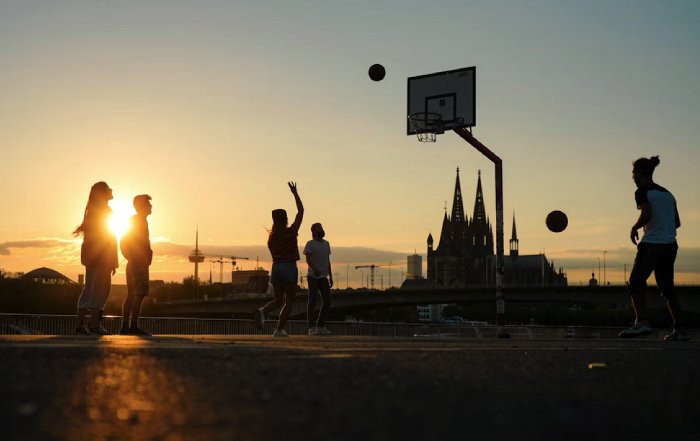
Why Community Sports Are Reshaping Health, Work and Cities in 2026
A Global Movement Reaching Maturity
By 2026, community sports have shifted from a promising trend to a mature global movement, touching how people live, work, socialize and plan for long-term health in almost every major region of the world. What once looked like a post-pandemic rebound in recreational activity has evolved into a durable ecosystem that now influences public policy, corporate strategy, urban development and digital innovation. For the readers of FitBuzzFeed, who follow the intersection of sports, fitness, health, business and lifestyle across markets from North America and Europe to Asia, Africa and South America, this evolution is not abstract; it is visible in local parks, neighborhood leagues, company wellness programs and the technology they wear on their wrists.
Participation rates in grassroots sports have continued to climb across the United States, United Kingdom, Germany, Canada, Australia and much of Western Europe, where football, basketball, cricket, netball, rugby, running clubs and the still-booming pickleball phenomenon draw players into structured weekly routines. In Asia, from Singapore and Japan to South Korea and Thailand, community leagues are increasingly integrated into corporate wellness benefits and municipal health strategies, while in emerging markets in South America, Africa and Southeast Asia, community sports are being leveraged as tools for social development, job creation and youth empowerment. Those wishing to understand how this aligns with global health priorities can review how the World Health Organization now frames physical activity as a core pillar of noncommunicable disease prevention and healthy ageing in its global action plans at who.int.
Within this context, FitBuzzFeed has positioned itself as a trusted guide for audiences seeking both inspiration and evidence-based insight. Through dedicated coverage of sports, fitness, health and wellness, the platform connects local experiences in cities like New York, London, Berlin, Toronto, Sydney, Singapore, São Paulo and Johannesburg to broader global patterns, helping readers understand why community sports are now central to modern, performance-oriented lifestyles.
Preventive Health, Longevity and Evidence-Backed Activity
One of the most powerful forces sustaining the rise of community sports in 2026 is the global shift toward preventive health and longevity. Governments, insurers, employers and individuals have become acutely aware that sedentary lifestyles drive escalating healthcare costs and reduce quality of life, particularly as populations age in North America, Europe and parts of Asia. Research from institutions such as the Centers for Disease Control and Prevention and leading academic hospitals has repeatedly confirmed that regular moderate-to-vigorous physical activity reduces the risk of cardiovascular disease, type 2 diabetes, obesity, certain cancers and all-cause mortality. Readers can examine the latest physical activity guidelines and supporting data at cdc.gov to see how community sports align with these recommendations.
What differentiates community sports from purely individual exercise is the combination of structured physical exertion with social accountability, skill progression and shared goals. In Germany, long-established football and handball clubs have evolved to offer age-segmented and women-focused programs, while in the United Kingdom and the Netherlands, walking football and low-impact multisport sessions target older adults who want to maintain function without excessive strain. The European Commission continues to highlight the role of grassroots sport in public health and social inclusion, and its sport policy initiatives at ec.europa.eu illustrate how local clubs are being integrated into national strategies.
For the community around FitBuzzFeed, already familiar with structured training, recovery protocols and performance nutrition through sections such as nutrition and training, community sports now serve as a practical, sustainable container for long-term health. Instead of short-lived fitness challenges, readers are gravitating to leagues and clubs that provide continuity across seasons and life stages, helping them turn preventive health from a concept into a weekly habit.
Mental Health, Connection and Post-Crisis Resilience
The psychological dimension of community sports has become even more important as societies continue to process the long-tail effects of the COVID-19 era, economic uncertainty and geopolitical tension. Across the United States, Canada, the United Kingdom, Germany, France and beyond, mental health services report sustained demand, and organizations like the National Institute of Mental Health and NHS England emphasize that regular physical activity, social connection and routine are protective factors against anxiety, depression and loneliness. Those interested in the clinical perspective can explore mental health and lifestyle resources at nimh.nih.gov and nhs.uk.
Community sports offer an accessible, non-stigmatizing way to rebuild social capital. From mixed-ability running clubs in Stockholm and Oslo to inclusive basketball evenings in Toronto and Melbourne, participants are rediscovering the emotional benefits of shared effort, teamwork and friendly competition. In the Nordic countries, where outdoor culture is deeply embedded, municipalities have expanded lighting, winterized facilities and subsidized programming to ensure year-round access to activity, reinforcing the link between movement, nature and mental well-being. Learn more about how Nordic policy frameworks integrate health and daily activity through the Nordic Council of Ministers at norden.org.
For professionals reading FitBuzzFeed, many of whom balance demanding careers in finance, technology, healthcare, creative industries and entrepreneurship, community sports are increasingly treated as a mental performance tool rather than an optional hobby. Weekly league fixtures or training sessions are scheduled with the same seriousness as client meetings, because participants recognize that physical engagement and social interaction support cognitive clarity, emotional regulation and long-term resilience. This aligns closely with the platform's focus on sustainable lifestyle design and holistic high performance.
Technology, Data and the Intelligent Playing Field
The hyper-connected, data-rich environment of 2026 has fundamentally changed how community sports are organized, experienced and optimized. Wearable devices and platforms from Apple, Garmin, Samsung and Fitbit now provide granular insights into heart rate variability, sleep quality, training load and recovery, while league management apps automate scheduling, payments, communication and even basic performance analytics. Industry bodies such as the Consumer Technology Association track these developments, and executives can explore broader digital health and sports tech trends at cta.tech.
Crucially, these tools have migrated from elite sport into everyday community settings. Amateur footballers in Madrid, runners in New York and cyclists in Singapore routinely analyze GPS data, pace charts and workload summaries to fine-tune their training and reduce injury risk. In South Korea and Japan, where mobile-first behavior and high-speed connectivity are universal, app-based pickup game platforms and on-demand coaching services allow residents to join games or sessions within minutes, blurring the line between spontaneous play and organized sport. The global innovation landscape in this space is documented by organizations such as Sports Tech World Series, whose insights at sportstechworldseries.com illustrate how startups and established players are reshaping participation.
For FitBuzzFeed, which reports on emerging technology alongside fitness and wellness, this data-driven transformation raises both opportunities and responsibilities. On one hand, technology enables tailored training that respects age, ability and health status, making community sports safer and more inclusive. On the other, it increases the need for education around data privacy, responsible load management and avoiding over-optimization that undermines enjoyment. The platform's editorial approach emphasizes expertise and trustworthiness, helping readers interpret data in a way that supports rather than dominates their sporting lives.
Cities, Infrastructure and the Active Urban Blueprint
Urban and regional planning have become central to the long-term success of community sports. City leaders in Europe, North America, Asia and increasingly Africa and South America now view active infrastructure as a strategic investment that supports public health, climate goals, social cohesion and economic competitiveness. The World Economic Forum has documented how "active cities" attract talent, reduce healthcare burdens and enhance productivity, and its work on urban transformation at weforum.org provides a useful macroeconomic lens.
In the United States, cities from New York and Chicago to Austin and Seattle are repurposing underused lots, schoolyards and waterfronts into multi-use fields and running routes, often through partnerships between local governments, community organizations and private sponsors. In Europe, Amsterdam, Copenhagen and Barcelona continue to lead with cycling-centric design and integrated recreational spaces, while in Asia, Singapore, Seoul and Tokyo are building vertical and multi-level sports complexes that maximize limited land. Across these regions, planners are increasingly guided by frameworks from organizations such as UN-Habitat, whose resources on sustainable urban development at unhabitat.org highlight the role of inclusive public spaces in healthy cities.
Readers of FitBuzzFeed who follow world and news coverage will recognize that this is not simply about aesthetics or recreation; it is about embedding movement into the fabric of daily life. When safe, well-lit, accessible facilities are within walking or cycling distance, participation in community sports becomes a default option rather than a special effort. The resulting benefits-reduced congestion, improved air quality, stronger neighborhoods and more attractive business environments-reinforce why active infrastructure is now appearing in economic development and investment narratives as well as health policy documents.
Corporate Wellness, Hybrid Work and the Business Case for Play
The corporate embrace of community sports has accelerated as hybrid and remote work models have stabilized across sectors and regions. Employers in the United States, United Kingdom, Germany, Canada, Australia, Singapore and beyond face persistent challenges around employee engagement, culture, burnout and retention. In response, many have moved beyond basic wellness stipends toward more structured, community-oriented initiatives that include internal leagues, sponsored team entries in local competitions, partnerships with community clubs and cross-company tournaments. Organizations such as the OECD and World Economic Forum continue to publish evidence connecting well-being with productivity and retention, and their analyses at oecd.org offer a rigorous economic rationale for these investments.
In competitive talent markets like London, Berlin, Toronto, New York, Sydney and Singapore, participation in community sports is increasingly featured in employer branding, recruitment materials and leadership development programs. Companies highlight how they support employees to join local leagues, volunteer as youth coaches or organize charity tournaments, framing sport as both a wellness benefit and a platform for leadership, collaboration and inclusion. Thought leadership from Harvard Business Review at hbr.org has further legitimized this approach by showcasing case studies where structured physical activity contributes to innovation, reduced absenteeism and stronger cross-functional relationships.
For the audience of FitBuzzFeed, which tracks business, jobs and careers alongside fitness and health, this convergence underscores an important point: community sports are no longer separate from professional success; they are part of a broader human capital strategy. Organizations now look for partners who can deliver safe, inclusive, well-governed programs, reinforcing the premium on expertise, safeguarding and trust within the community sports ecosystem.
Inclusion, Diversity and Access Without Barriers
A defining feature of community sports in 2026 is the deliberate push toward inclusion, ensuring that participation is possible regardless of gender, age, income, ability or background. Historically, organized sport often privileged certain demographics, but policy makers, NGOs, brands and local leaders across continents are now working to remove structural and cultural barriers. Agencies such as Sport England, Sport Canada and Sport Singapore have published comprehensive strategies on inclusive facilities, coaching and pricing models, and their frameworks at sportengland.org and similar sites are influencing practice far beyond their borders.
In South Africa and Brazil, community football, netball, running and martial arts programs are used to provide safe spaces for youth, promote gender equality and create pathways to education and employment. In Europe and North America, adapted sports-ranging from wheelchair basketball to sensory-friendly athletics meets-help people with disabilities participate fully, while walking football and low-impact dance-fitness sessions enable older adults to remain active and connected. In Asia, from Thailand to Japan, mixed-gender leagues and family-centric festivals are challenging traditional norms and encouraging intergenerational play. Global initiatives from the United Nations on sport for development and peace, available at un.org, provide a unifying framework for many of these efforts.
For FitBuzzFeed, which increasingly emphasizes adaptable, inclusive approaches across physical training, wellness and lifestyle content, this democratization of play is central to its mission. The platform's editorial stance is that evidence-based, high-quality physical activity should not be a luxury, and that community sports-properly designed and governed-are one of the most scalable tools to close gaps in health outcomes between different socioeconomic and demographic groups.
Brands, Sponsorship and the New Grassroots Economy
The economic ecosystem surrounding community sports has become more sophisticated as brands recognize that authentic engagement at the grassroots level can be more powerful than traditional top-down sponsorship. Global sportswear leaders such as Nike, Adidas, Puma and Under Armour, alongside regional apparel, nutrition, technology and financial services companies, are increasingly redirecting marketing spend from purely elite events to local leagues, coaching clinics, facility upgrades and long-term community partnerships. Analysts can follow these shifts through the Deloitte Sports Business Group, whose reports at deloitte.com provide insight into how sponsorship portfolios are evolving.
This focus on community is driven by both brand strategy and data. Participants in local sports are often influential within their social circles, shaping attitudes toward health, lifestyle and consumption. By investing in the places where people actually play-basketball courts in Chicago, futsal pitches in São Paulo, multi-sport hubs in Singapore or rugby clubs in Cape Town-brands create tangible value while building long-term loyalty. Strategic perspectives from McKinsey & Company at mckinsey.com further highlight how companies are using grassroots engagement to differentiate in crowded markets and to demonstrate genuine commitment to community well-being.
For readers of FitBuzzFeed, who keep an eye on brands and consumer trends, this evolution underscores the power of informed choice. Supporting organizations that invest meaningfully in community sports infrastructure and programming effectively channels consumer spending into better local facilities, coaching and events. In that sense, every purchase can become a micro-investment in a healthier, more active society.
Events, Micro-Competitions and the Experience-Driven Lifestyle
The experience economy continues to shape how community sports are packaged and consumed. Around the world, people are prioritizing shared, memorable experiences over purely material acquisitions, and local sports events offer accessible, health-positive ways to fulfill that desire. From 5K charity runs in London, Berlin and Toronto to amateur futsal tournaments in Madrid, Bangkok and Kuala Lumpur, micro-competitions and festivals provide structured, time-bound opportunities for individuals and families to participate in something larger than themselves. Global governing bodies such as World Athletics document how mass participation events are evolving, and their resources at worldathletics.org offer perspective on participation trends.
In the United States, Canada, Australia and New Zealand, community triathlons, obstacle races, endurance cycling events and open-water swims are now fixtures in local calendars, often aligned with fundraising for health, education or environmental causes. In Asia, night runs, corporate games and city-branded sports festivals are integral to tourism and place-marketing strategies, while in Europe, multi-sport weekends combine competition with music, food and cultural programming. The World Tourism Organization (UNWTO) at unwto.org has increasingly recognized sport tourism as a significant driver of local economies, employment and destination branding.
For FitBuzzFeed, which covers events alongside wellness and nutrition, the key question is how to design experiences that are not only exciting but also safe, inclusive and aligned with long-term health. The platform's coverage emphasizes evidence-informed training plans, realistic goal-setting and responsible event management, positioning community sports events as gateways to sustained lifestyle change rather than one-off feats.
Media, Storytelling and Digital Communities of Practice
Media and digital storytelling have amplified the visibility and appeal of community sports, turning local leagues into sources of inspiration and best practice. While major broadcasters such as ESPN, Sky Sports and DAZN continue to focus primarily on elite competitions, social platforms and specialized outlets have created space for grassroots stories to flourish. Short-form video, live-streamed amateur matches and behind-the-scenes training content circulate widely on platforms like YouTube, Instagram and TikTok, fostering a sense of shared identity among participants. Research from the Pew Research Center at pewresearch.org offers useful context on how digital culture shapes sports engagement across age groups and regions.
At the same time, digital communities-ranging from coaching forums and training apps to nutrition platforms and injury-prevention networks-have become vital support systems for new and returning athletes. These spaces allow individuals in countries as diverse as the United States, United Kingdom, Germany, Italy, Spain, the Netherlands, China, Sweden, Norway, Singapore, Denmark, South Korea, Japan, Thailand, South Africa, Brazil, Malaysia and New Zealand to exchange knowledge, troubleshoot challenges and celebrate progress. For the global readership of FitBuzzFeed, which relies on the platform as a curated, expert-driven hub for wellness, fitness and lifestyle insights, this proliferation of information heightens the importance of editorial rigor, scientific grounding and ethical standards.
Community Sports as Strategic Infrastructure for the Future
Looking ahead through 2026 and beyond, community sports are increasingly recognized as strategic infrastructure rather than optional leisure. They contribute to physical and mental health, strengthen social cohesion, support inclusive economic growth, enhance urban livability and provide a powerful platform for brands and employers to demonstrate authentic commitment to well-being. International organizations such as the World Health Organization, UNESCO and the International Olympic Committee have integrated grassroots sport into their frameworks for sustainable development, education and social inclusion, and their resources at unesco.org and olympics.com illustrate how policy, funding and community initiatives can reinforce one another.
For the worldwide audience of FitBuzzFeed, spanning North America, Europe, Asia, Africa and South America, the implications are both practical and profound. Whether based in the United States, United Kingdom, Germany, Canada, Australia, France, Italy, Spain, the Netherlands, Switzerland, China, Sweden, Norway, Singapore, Denmark, South Korea, Japan, Thailand, Finland, South Africa, Brazil, Malaysia or New Zealand, readers can access local leagues, clubs and events that reflect this new paradigm. By staying informed through trusted coverage across sports, health, world, lifestyle and related sections on FitBuzzFeed, individuals are better equipped to choose opportunities that align with their goals, values and circumstances.
In a decade defined by rapid technological change, demographic shifts and geopolitical uncertainty, community sports offer something uniquely stable and human: regular, shared experiences of effort, play and connection. That combination of evidence-backed health benefits, social richness and personal meaning is why, in 2026, community sports are no longer on the margins of modern life-they are at its core.